
To the 16 million US high school students who are watching Minneapolis and wondering what it means for them.
High school students (and adults too) ask themselves, what can I do?
One of the most powerful lessons high school students learn about slavery in the Americas or the Holocaust in Europe is this: There is a pattern to atrocities.
They often start with dehumanizing rhetoric. Repeated enough, the idea that others are sub-human can convince much of the majority population. Once that happens, the restraint of morality and the recognition of everyone’s basic dignity no longer hold. The rhetoric takes hold in oppressive law and abusive practices. Truth doesn’t matter. Killings are waved away. People disappear.
We see a form of this happening in the United States. The current focus is most intense on portraying immigrants as “the other.” But it does not stop there. It includes women, trans people and anyone who is not gender-conforming, people of color regardless of gender or immigration status. It includes the majority of Americans.
High school students (and adults too) ask themselves, what can I do? Sometimes it feels hopeless, as if a single person can do nothing. Sometimes it is urgent and searching, a feeling that the time to act is now. So how can each of us be most effective?
This isn’t the place for a treatise or a long bibliography, but I hear the question so often that it feels worth sharing my answer.
Think time
It’s important to interrupt what is happening now, and it’s important to plan for the future.Think probabilities and scale
One protest will not stop oppression, but if everyone participates, the show of force and solidarity makes it more likely that the momentum will slow and that a sense of shared understanding will open alternative pathways.Think commitment
There are many positive and vital actions to take. You will be more effective if you select one or two than if you try to do everything. It’s more important to make a choice and to commit than to make a perfect choice. There are many of us, and if we all made a commitment, our country would be better off.Think power
Protests show power because they bring people together. They show the world a shared understanding of right and wrong. And they tell politicians, if people are showing up on the street, we will show up on election day because we believe in our ability to decide by whom and how we will be governed.
Another example of power is getting registered and ready to vote. Politicians see and hear protests even better when they know their jobs are also at stake.
Another is voice, the power of a witness to tell and share a story. The recorded video footage of federal agents killing Alex Pretti illustrates this power. So do images of high school students at dozens of schools across the country walking out of class in solidarity with their communities and standing up against oppressive tactics by the federal government.
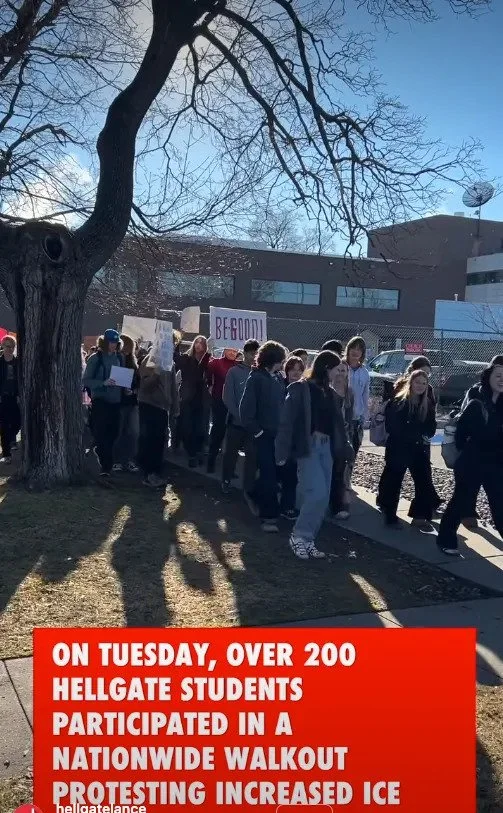
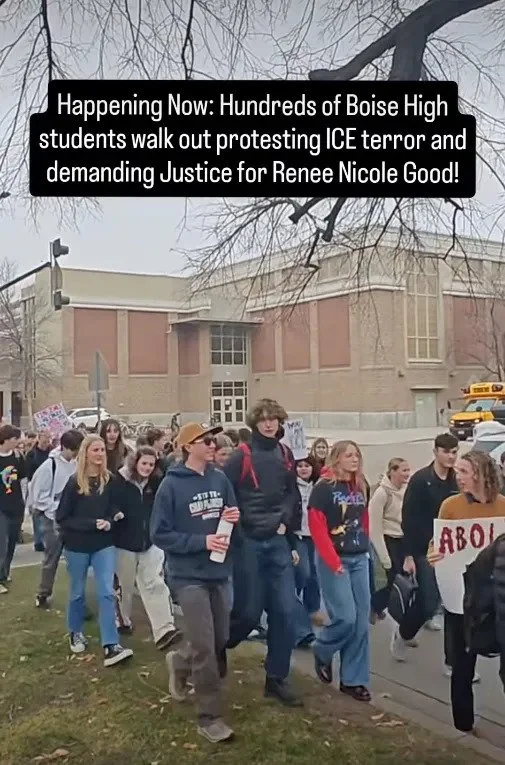
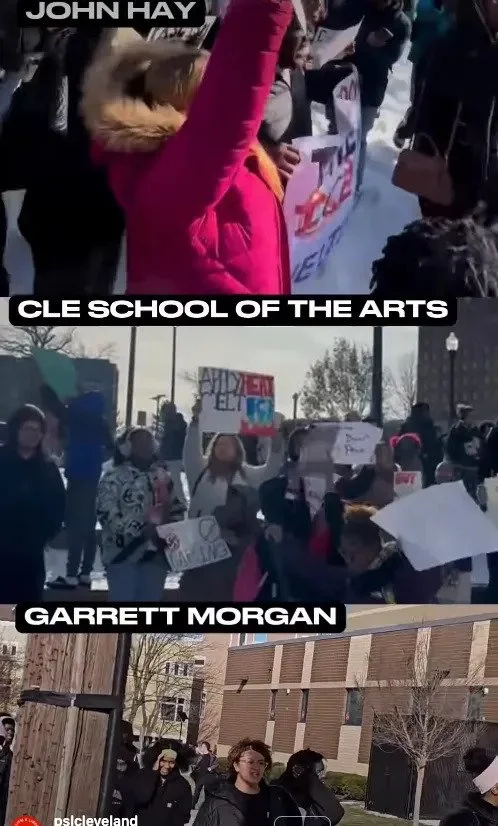
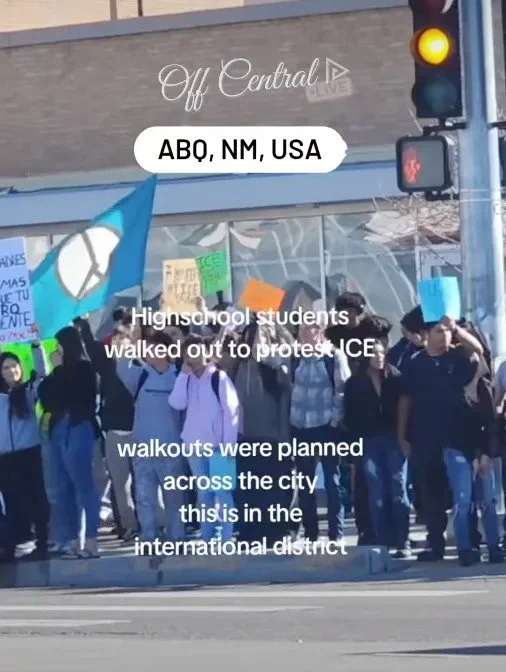
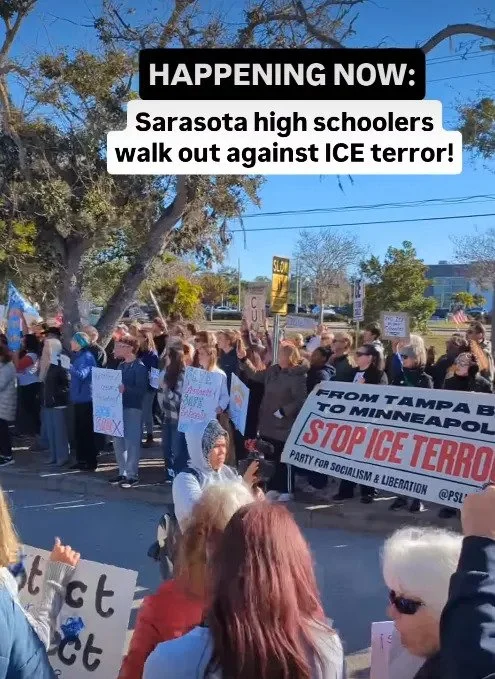
I do not believe these images or anything I say about them will free those who are wrongfully detained, or end the deployment and violence of federal agents in our cities. But I do believe that our young people care about their friends, their families, their communities and their future.
And I believe students (and adults who may have previously discounted their determination) may be inspired by seeing their efforts as part of a powerful partnership across this whole country. And the resolve of these students and all that may flow from it will make free and fair elections in 2026 more likely.